

State bill targets e-motorcycles, misleading marketing
SB 1167 by Sen. Catherine Blakespear seeks to crack down on mislabeling fast electric vehicles as e-bikes amid rising collisions and confusion in the e-mobility market

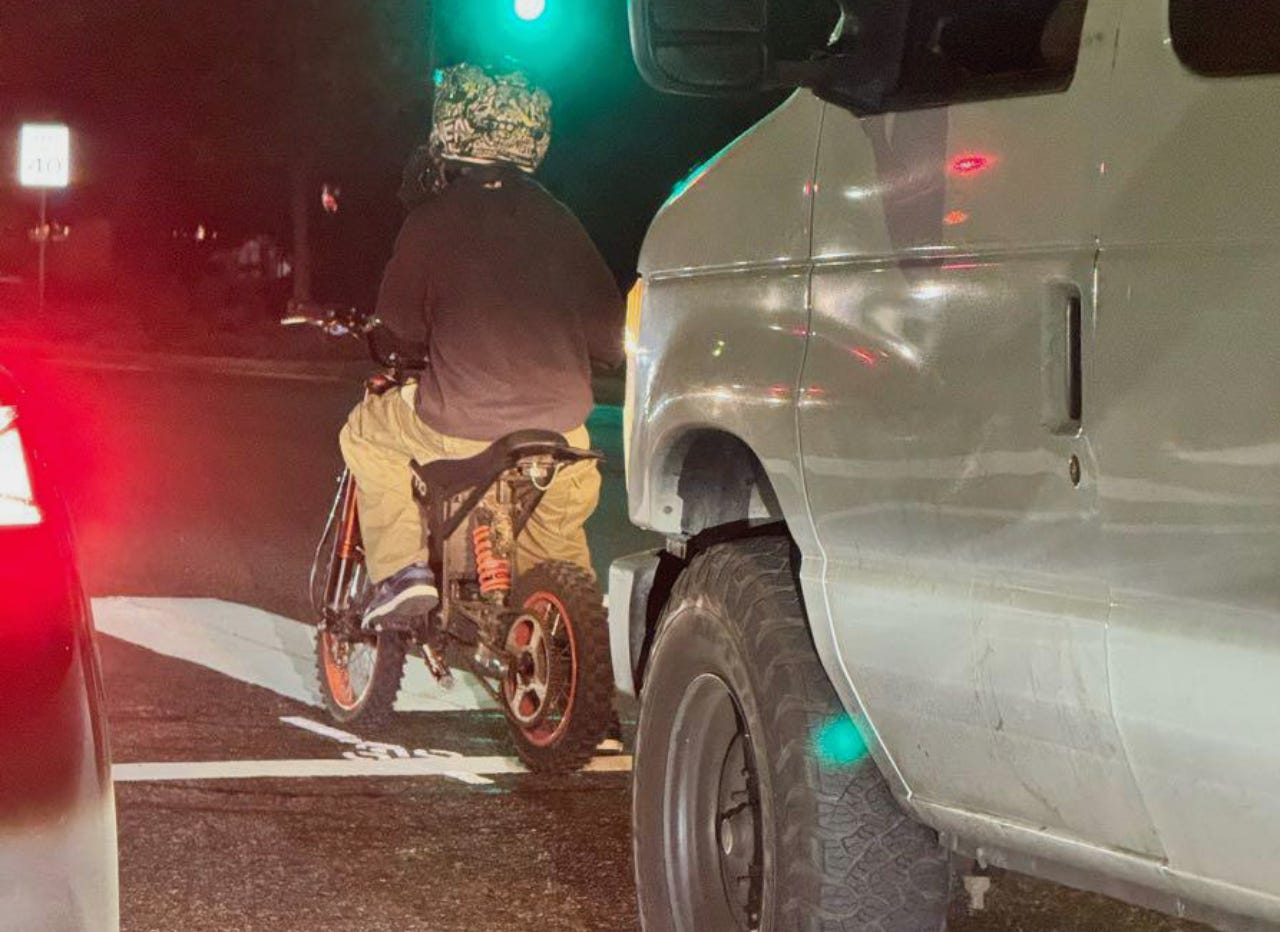
SACRAMENTO — A new bill in Sacramento aims to draw a legal line between electric bikes and high-powered e-motorcycles as the state confronts rising safety concerns and misleading marketing in the fast-growing e-mobility market.
Introduced by Sen. Catherine Blakespear (D-Encinitas), Senate Bill 1167 would make it illegal to advertise or sell high-speed electric vehicles as e-bikes and would allow prosecutors to pursue such mislabeling under criminal and consumer protection laws. The bill clarifies the state’s decades-old definitions as collisions and enforcement challenges mount amid the spread of powerful stand-alone e-motorcycles marketed as e-bikes.
The bill responds to complaints from residents about unsafe riding behavior and the rise of high-powered devices exceeding legal e-bike limits.
Under existing law, e-bikes must have fully operable pedals, have a motor no more than 750 watts, and fall within the Class 1, 2 or 3 speed definitions. Those definitions include speeds being capped at 20 mph for a throttle assist and 28 mph for pedal assist, according to the bill.
As for motor-driven vehicles, motorcycles with an internal combustion engine are classified as 150cc or higher, while e-motorcycles with a motor of 3,750 watts or greater that produce five brake horsepower or less.
“Faster and more powerful electric motorcycles are being marketed as e-bikes, which is dangerous to children and adults,” Blakespear said in a press release. “SB 1167 makes clear to consumers whether they are buying an e-bike, which has defined limits for power and speed, or something else.”
Blakespear said the popularity of e-bikes in recent years has raised safety concerns across California as they have flooded city streets. Faster two-wheeled vehicles, such as mopeds or motorcycles, require licenses and specific safety gear, while e-bikes are regulated the same as bicycles, she said.
SB 1167 expressly states any misrepresentation of faster electric vehicles as e-bikes is false advertising and can be prosecuted. Blakespear said sellers of faster or more powerful vehicles would be required to inform consumers that they don’t meet the definition of an e-bike and therefore require vehicle registrations and licenses to operate.
However, the bill, which is co-sponsored by CalBike, PeopleForBikes, Streets For All and Streets Are For Everyone, does not require any license, registration or insurance for e-bikes.
